

Luka Radovic
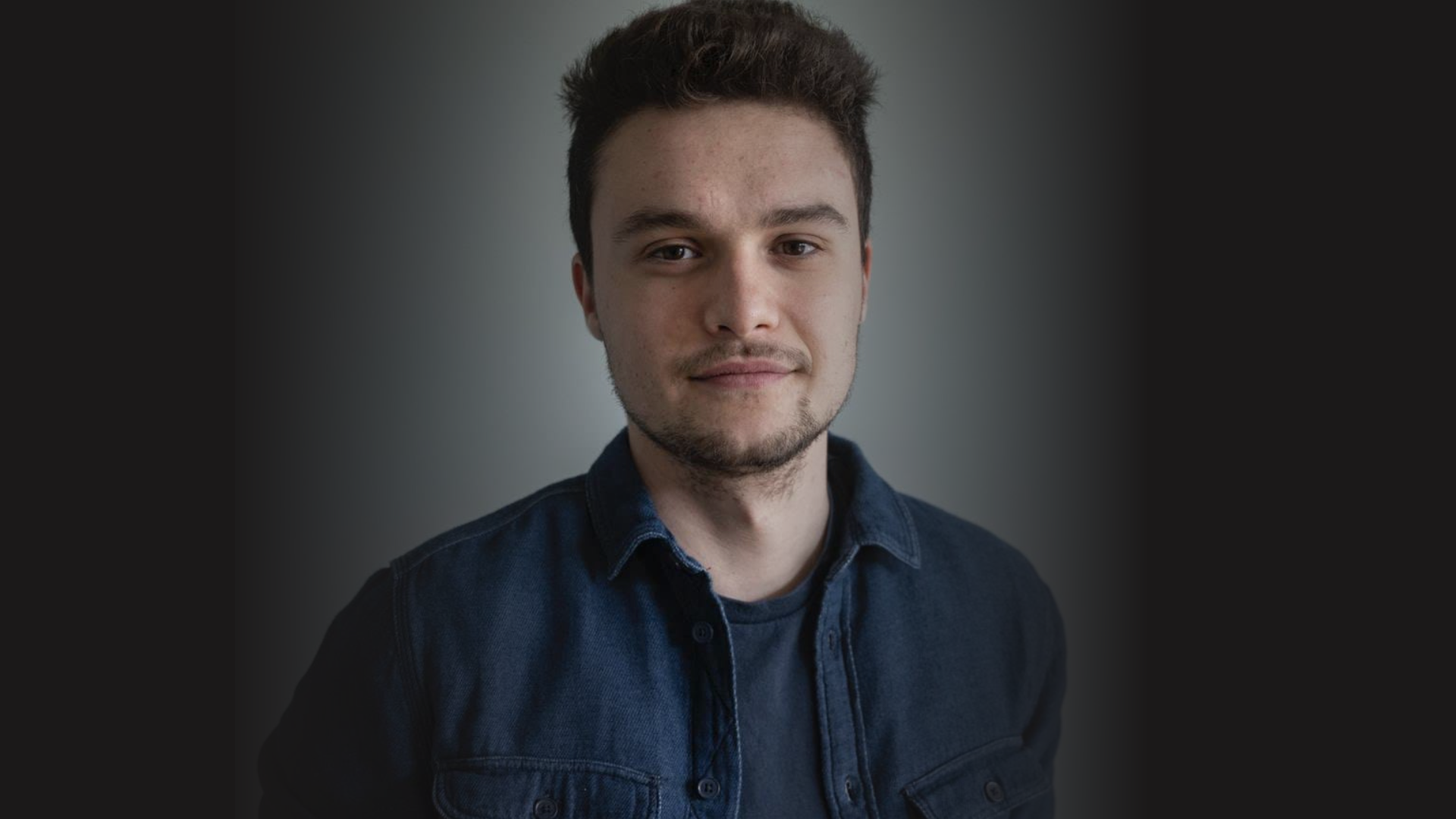
Wars begin long before the first shot is fired and sometimes they last forever, even when peace has long been declared. The last living eyewitnesses of the Second World War are now leaving this world, and a new generation is growing up, one for whom the horrors of that era feel increasingly distant. Yet not all stories have been told, and many of the past century’s protagonists take their secrets with them to the grave – something many young people seem unfazed by, or even indifferent to.
Others, however, spend their entire lives trying to understand the past, in the hope of shaping a better future and learning from the mistakes that were made. When is the process of reckoning with history ever complete? Does the end justify the means? How can we live together peacefully despite the shadows of the past? Are we haunted by the ghosts of our ancestors, burdened by their guilt? Can one ever truly escape their own history or their family?
Our film poses these questions. Clara’s story is fictional, but every element, every conflict, every character, every decision within HAUS QUICKBORN is based on real events that took place in the German-Danish border region.
HAUS QUICKBORN: Reflects the generational dilemma in North Schleswig
In my own life, one theme has occupied me deeply and persistently in both my personal and professional life: life at, across, and within borders. Borders between nations, regions, cultures, and languages. I grew up in multicultural Stuttgart, the son of two war refugees and the grandson of two Bosnian Serbs, a Bosnian Croat, and a Bosnian woman. Early on, I learned what it means when borders and frontlines run through families themselves. On the streets of my hometown, I encountered a rich tapestry of cultures, customs, and worldviews, and through travels and professional experiences across the globe, I encountered the same stories told in different colours and forms.
Throughout history, humans have drawn borders, formed communities, waged conflicts and found their way back to one another. Enmity and community are never fixed; they change over time, like a river that sometimes rages, sometimes gently trickles, and is constantly tamed by people but which always finds new paths either for good or for ill, for those who walk its banks. Our story reflects the dilemmas that have shaped multiple generations in Southern Jutland and seeks answers to questions people around the world continue to ask – in one form or another.

Uffe Iwersen
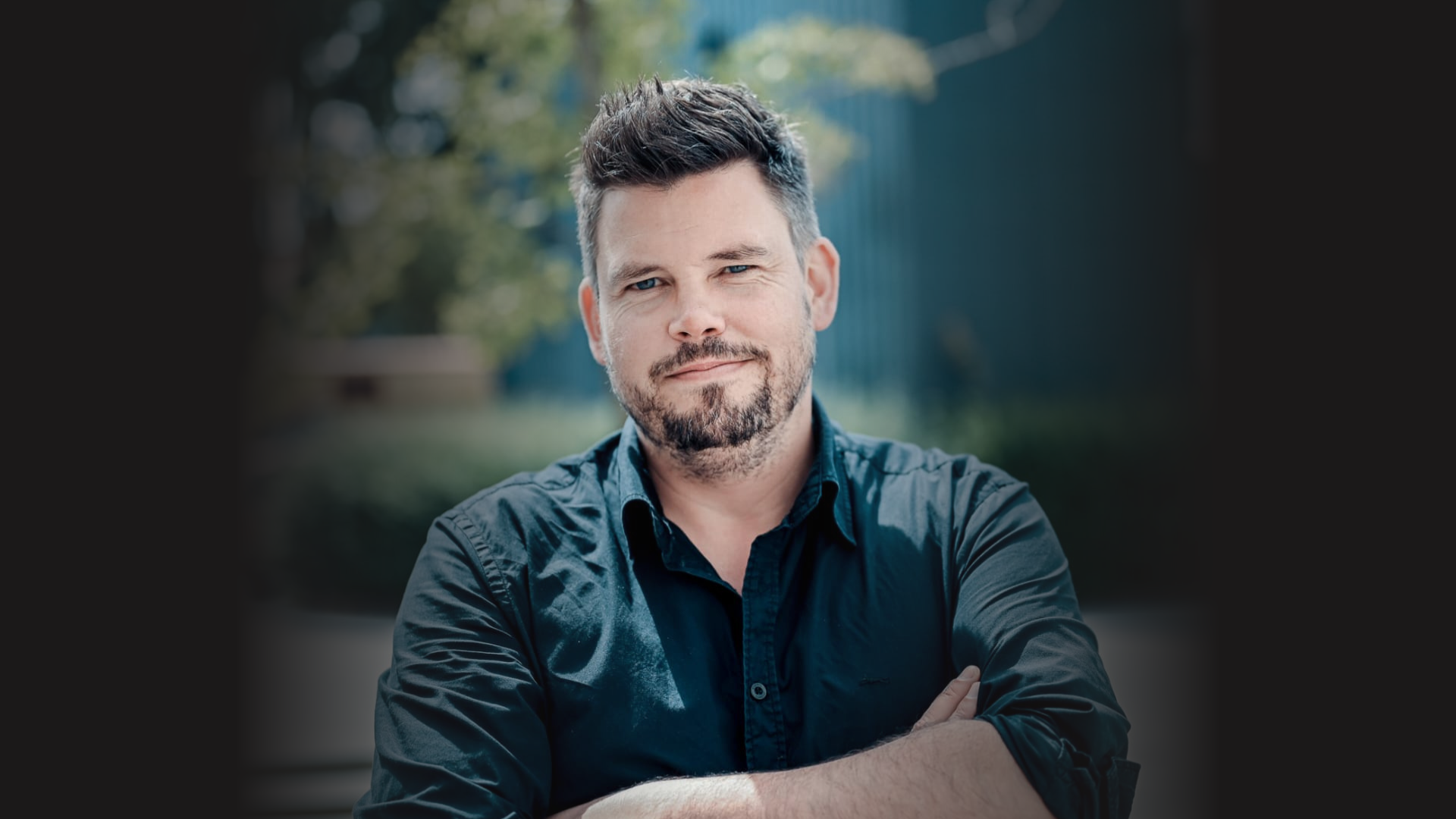
The feature film HAUS QUICKBORN is not just a film – it is a contribution to the reckoning with the German minority’s dark Nazi past. A gripping and thought-provoking narrative that inspires courage – firmly rooted in history, but with a clear gaze toward the future.
For Bund Deutscher Nordschleswiger (BDN) – the cultural and umbrella organisation for the German minority in Denmark – this is a matter close to the heart: using insight into the past as a springboard for new steps into the future. At the same time, we want to showcase the region of Northern Schleswig/Sønderjylland in all its diversity and uniqueness – placing it on the cinematic and cultural map of both Denmark and Europe.
That’s why I – as BDN’s cultural consultant – initiated this film project and now serve as its producer. The subject matter is deeply important to me. As a cultural consultant, my mission is to strengthen the German language and culture in Northern Schleswig/Sønderjylland and Denmark, to build bridges between majority and minority populations and between Germans and Danes – contributing, piece by piece, to peaceful coexistence in the German-Danish borderland. This film is one of those pieces.
Living Peacefully in the Border Region: From Division to Cooperation
The German minority in Denmark bears from the dark Nazi era – a guilt whose shadow reaches into the present.
After World War II, building bridges to the majority population and imagining peaceful coexistence in the border region seemed nearly impossible. Only slowly and with great effort did it become reality. The development has gone from resistance to cooperation and mutual support.This – perhaps with a touch of nostalgic optimism – summarises the trajectory of Northern Schleswig/Sønderjylland since 1945. But this development was anything but smooth. Again and again, conflicts have arisen and continue to arise on both personal and institutional levels. For a long time, the German minority in Denmark neglected to critically address its own history.
In recent years, however, this process of historical reckoning has finally begun in earnest.
The feature film HAUS QUICKBORN aims to contribute to this process. The story unfolds in the microcosm of Haus Quickborn – a house belonging to the German minority in the Southern Jutland village of Kollund, directly on the Flensburg Fjord and serves as a monument to the horrors of war and the necessity of reconciliation between the German minority and the Danish majority.
At the same time, the film highlights the beauty of Southern Jutland and the German-Danish borderland through its languages, landscapes, people, and culture and portrays modern, peaceful coexistence in a multiethnic society. These positive aspects become ever more valuable as history is confronted and understood.
About the person: Born in 1981 in Sønderborg. Attended kindergarten and school within the German minority in Denmark, graduating from Deutsches Gymnasium für Nordschleswig in Aabenraa. Later earned a BA in European Studies in Aarhus and an MA in Flensburg/Sønderborg. Since 2009, cultural consultant for Bund Deutscher Nordschleswiger. A life dedicated to the German minority in Denmark including volunteer engagement across various associations.
Firebird Productions GbR is a film and video production company and creative content agency specializing in video and audio. The company manages from initial concept to final delivery.
Firebird’s portfolio is wide-ranging, including image films, reels, (video) podcasts, (product) commercials, music videos, event films, promotional spots, explainer videos, design, drone footage, photography, and custom-composed music.
Additionally, Firebird develops integrated campaigns with a focus on (re)branding, recruitment, and reach often incorporating social media strategy. with a strong network and great flexibility, Firebird can execute even large-scale productions, including studio shoots or international filming.
Founded in 2021, Firebird is led by its two founders, Felix Martens and Matthias Runge, and is based at the technology centre in Flensburg.
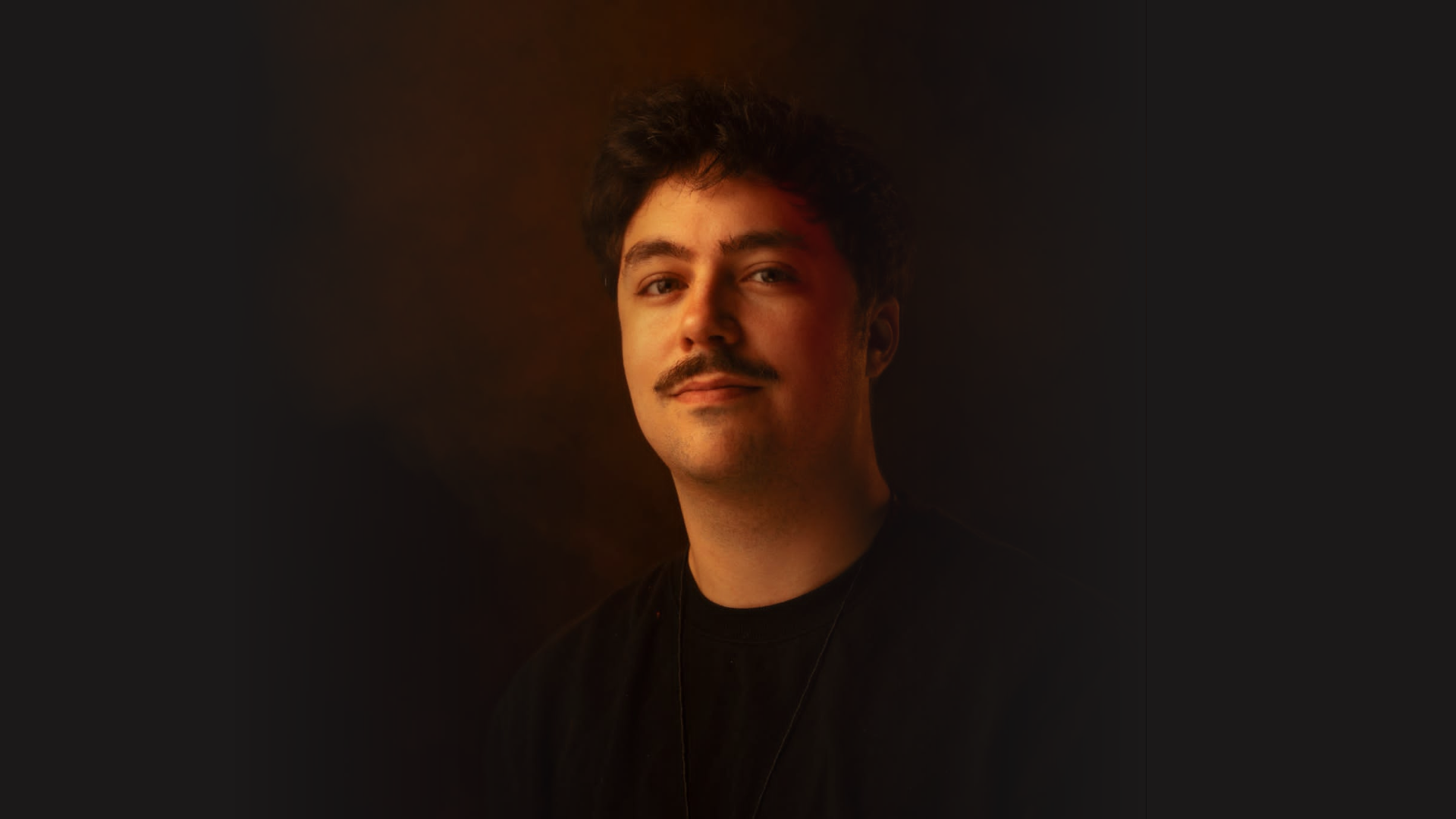
Matthias is a talented sound engineer, project manager, and head of finance with extensive experience in the film and music industries. His passion for music and technology has shaped a successful career in audio production, while his organisational skills make him the ideal project manager.
As a sound engineer, Matthias masters all technical aspects of audio production including recording, mixing, and mastering. He is well-versed in a broad range and knows how to integrate sound effects and music seamlessly into a film’s visual storytelling.
As a project manager, he efficiently organises and leads complex film and music productions.
Facts:
- Bachelor of Arts in Media and Sonic Communication
- Freelancer since 2019
- Co-founder and co-owner of Firebird Productions GbR since 2021
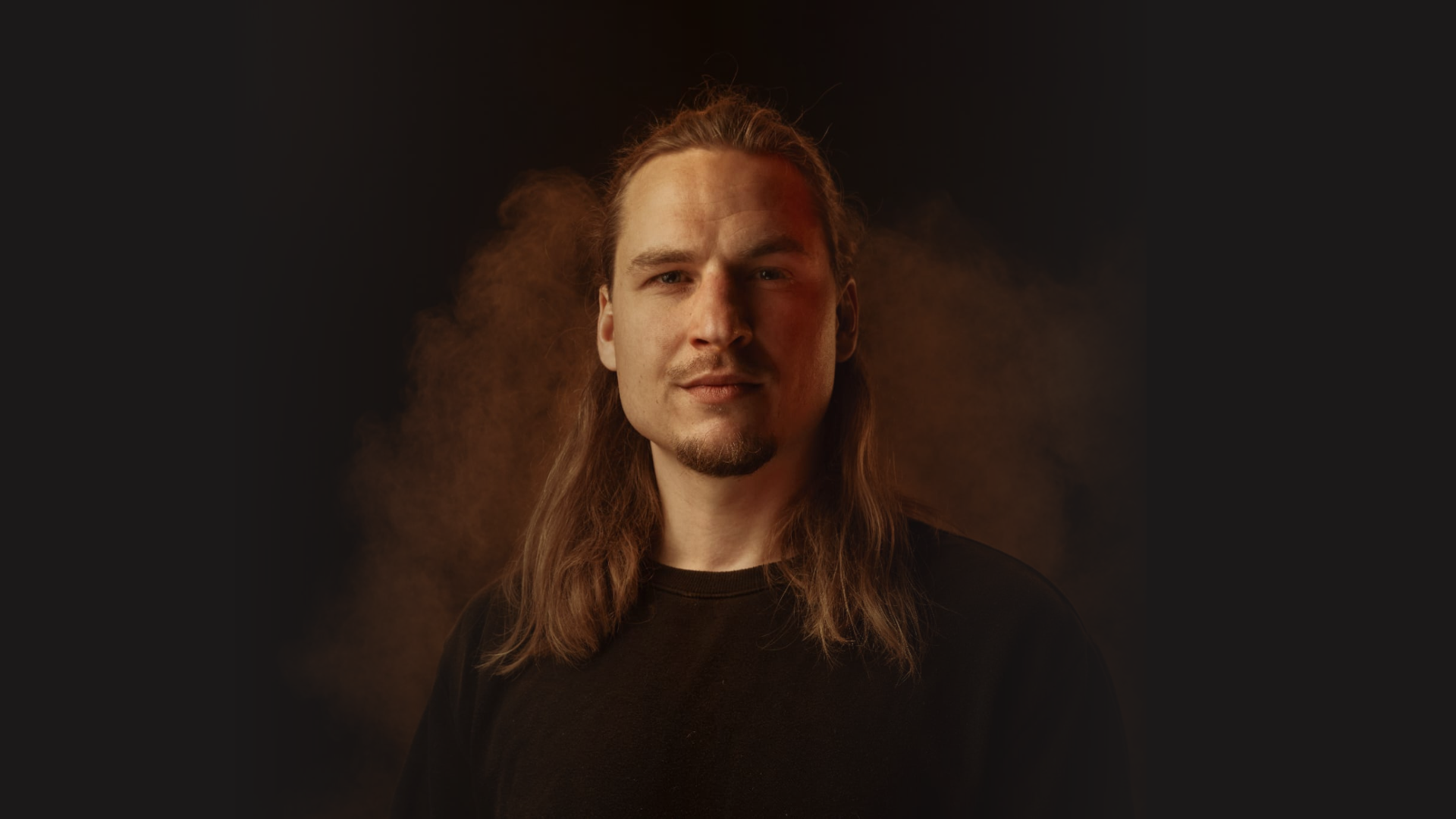
Felix is an experienced cameraman and drone pilot known for his creative vision and technical finesse. He is skilled in using a broad range of camera types and technologies and knows how to apply them effectively to create unique visual aesthetics. His focus is always on realising the director’s vision and giving each project a distinct and visually compelling look.
As a cinematographer, Felix masterfully works with light and shadow to create mood and convey character emotion. With an eye for detail, he’s known for his ability to craft striking perspectives and camera movements that pull the audience into the story.
Facts:
- Trained as an event technician in Kiel and Hamburg (company: AVTplus Media Service GmbH, specialising in live cameras)
- Editor training at “Deutsche Pop” in Hamburg
- Bachelor in Media Informatics with a focus on film
- Freelancer since 2019
- Co-founder and co-owner of Firebird Productions GbR since 2021

Directing Department
- Luka Radovic (Director)
- Nella Nissen
Production Department
-
Uffe Iwersen
-
Matthias Runge
Camera Department
- Felix Martens (DoP)
- Jendrik Buschmann
- Maximilian Hauschild
- Lilli Antoniak
Lighting Department
- Christopher Friedrichs (Head-of)
- Mirco Höfer
- Kai Levi Späte
- Jurriaan Körfer
- Lars Tietgen
- Jacob Spegel
- Leonard Jauch
Sound Department
- Jakob Lissowsky (Head-of)
- Till Hagge
- Lia von Malottki
Art Department / Production Design
- Anne-Marthe Kohn (Head-of)
- Alicia Hartwig
- Dina Maria Bychkov
Costume Department
- Sabina Lorenz
- Luisa Hartmann
BTS Department
- Ronnie Ohlsen (Photos)
- Jesko Clausen (Video)
- Raik Clausen (Video)
Hair & Make-up Department
- Katharina Hilbert (Head-of)
- Gharib Abdo
Continuity Department
- Godja Wendland
Others
- Freddy Hansen
- Leif Curdes
- Damaris Krebs
- Lucie Miede
- Anita Haagensen
- Lisa Nissen
- Annika Nissen